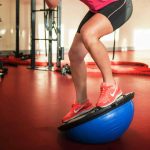
Pilates for beginners can seem intimidating, but after a little preparation there is no need for anxiety. Your teachers will give detailed instructions on how to use the Reformer. The Reformer has a flat padded platform called a carriage, which is moveable and slides up and down on a frame. It also has a foot bar and shoulder and head rests to stabilise the body. The Reformer has springs under the machine and pulling straps to offer adjustable resistance, which help with strength and flexibility. Exercises can be made easier or more challenging as required and give both strength and mobility training. Basically the moving carriage helps engage the core muscles while the resistance of the springs and pulleys work on muscle strength. The Reformer can be used lying down, sitting, kneeling or standing up and so makes many different exercises possible and allows numerous and often neglected muscles to be worked using slow controlled movement.
What to Wear?
Another common worry is what should you wear to do Pilates? Clothes don’t have to be skin-tight but with Pilates soft fabrics are good and tighter rather than baggy clothes will give the teacher a clearer view of your body position so they can assess your alignment and movement. Baggy clothes and hoodies might interfere with certain exercises. Fabrics like nylon can be good for low-impact exercise while bamboo is an option. Cotton can cause chafing, but if you feel comfortable then it’s fine too. Zips can be uncomfortable and dig in when you are rolling or lying down, while watches are best removed.
High-waisted leggings shouldn’t slip with squats and lunges, but nor should they be so tight they dig in to your body. For men cycling shorts or leggings are good, but if wearing shorts slim-fitting underwear helps as sometimes you have your legs apart, and you don’t want to expose too much.
For women there are numerous crop-tops and athleisure gear on offer, though it’s not a fashion show and a regular tee-shirt is fine. No shoes are needed but socks with a grip help and there are many varieties of Pilates socks with sticky spots on their soles. These allow your foot to engage and help use the stabilising muscles.
As we Age
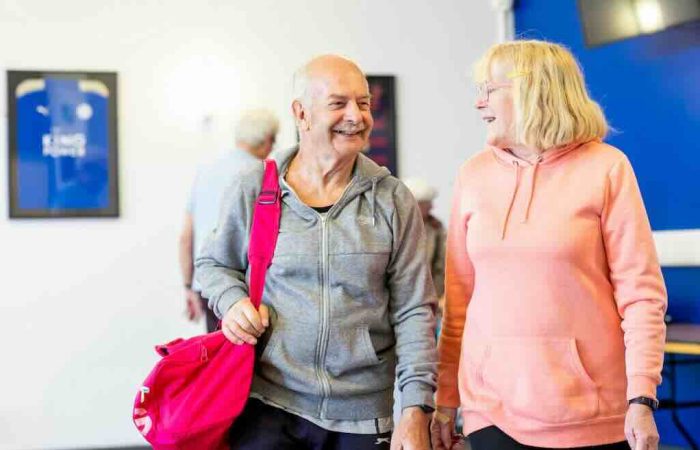
Once they get going many users stay with Pilates for life, because it so adaptable and also low-intensity, but creating permanent changes. You can take it up while young or in the prime of life but it is also excellent for rehabilitation and working around injuries. As we age Pilates can help with back pain and bone strength and keep you flexible. There is also a mental aspect in that focusing on breathing and slow movements can help alleviate stress.
Pilates is easier to take up than most beginners think, despite the complicated-looking equipment. Joseph Pilates came up with his system more than a century ago and it has stood the test of time, combining innovative designs like the Reformer with exercises that are easily adjusted, giving long-term benefits that can be enjoyed for a whole lifetime.
If you would like our newsletter you can subscribe on the Home page. Follow us on social media:
Facebook | Instagram | X | Linkedin.
The Pilates Central Team